Tag: real-estate

  • How to Live in South America Without Gentrifying It

    Living as a “borderless boss” is a privilege, but it comes with a heavy footprint. As more of us head to South America for the “digital nomad” lifestyle, we’re seeing the “Airbnb-ization” of cities like Medellín and Buenos Aires. Rent in popular neighborhoods like Laureles (Medellín) or Roma Norte (Mexico City) has jumped as much as 80% in recent years, often pricing out the very people who make these cultures so vibrant.

    If you want to be a neighbor, not just a “temporary colonizer,” here is how to navigate South America ethically—from both sides of the lease.

    For the Renters: Be a Resident, Not a Guest
    The goal is to integrate into the local economy rather than creating a “gringo bubble” that exists parallel to it.

    Avoid the “Nomad Hubs”: Staying in El Poblado or Palermo is the default, but it’s also where gentrification is most aggressive. Consider neighborhoods that have the infrastructure (good Wi-Fi, safety) but aren’t yet “Disney-fied” for foreigners.

    Negotiate in the Local Currency: When you pay in USD or Euros, you inflate the market. If possible, negotiate and pay your rent in the local currency ($COP, $ARS, etc.). This keeps the transaction grounded in the local economic reality.

    Look Beyond Airbnb: Airbnb takes a massive cut and encourages landlords to kick out long-term local tenants for short-term profit. Use local sites like Finca Raíz (Colombia) or Zonaprop (Argentina), and try to sign 3–6 month leases that look more like residency than a vacation.

    The “Tienda” Rule: Spend your money at the corner tienda (small shop) and local markets rather than international chains or “nomad-themed” cafes. Your “strong currency” does the most good when it goes directly into the hands of a family business.

    For the Landlords: Profit with a Pulse
    If you’ve invested in property in South America, you have the most power to curb displacement.

    The 30% Benchmark: A common rule for ethical housing is that rent should not exceed 30% of the average local household income for that specific neighborhood. If your rent is double that, you aren’t housing the community; you’re replacing it.

    Prioritize Long-Term Local Tenants: It’s tempting to chase the high nightly rate of a nomad, but stable, local tenants provide community security. Consider a “hybrid” model where one unit is for short-term and others are reserved for locals at a fair market rate.

    Maintain the “Soul”: Avoid “Grey-box” renovations—stripping a historic building of its local character to make it look like a generic IKEA showroom. Preserving the architectural heritage of the neighborhood keeps the area’s identity intact.

    Transparency in Pricing: Don’t have a “Gringo Price” and a “Local Price.” Set a fair, transparent rate based on the local market value, not what a New Yorker is “willing to pay.”

    The Bottom Line
    Gentrification isn’t just about rising prices; it’s about social displacement. When we move to a new country, we are entering someone else’s home. Being a “Borderless Boss” should mean you have the freedom to work from anywhere, not the right to price people out of everywhere.

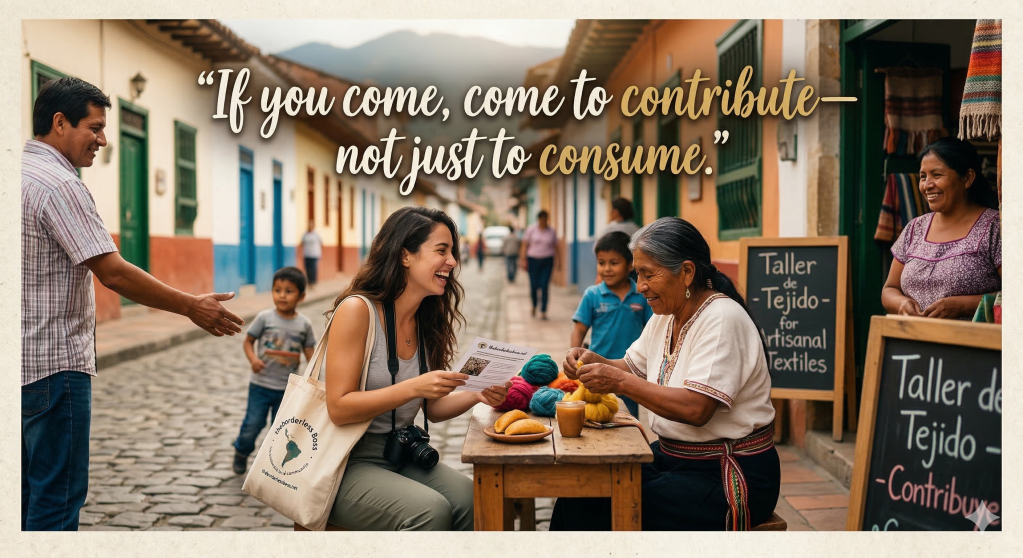
    “If you come, come to contribute—not just to consume.”
  • Colombia Real Estate Guide for U.S. Citizens: Legal Requirements & Buyer Checklist

    1. COLOMBIA PROPERTY PURCHASE CHECKLIST (Straightforward + Safe)

    Before You Make an Offer

    • ☐ Pull Certificado de Tradición y Libertad (title & lien history)
    • ☐ Confirm seller identity with Cédula
    • ☐ Verify Catastro records (property taxes + cadastral info)
    • ☐ Confirm no outstanding:
      • ☐ Predial tax
      • ☐ Service bills
      • ☐ HOA/admin fees
    • ☐ Check occupancy status (no hidden tenants)

    Offer & Contract

    • ☐ Negotiate price, terms, timelines
    • ☐ Draft Promesa de Compraventa
    • ☐ Add penalty clause (usually 10%)
    • ☐ Determine who holds deposit (preferably fiduciaria)

    Financial Requirements

    • ☐ If foreign money: file Formulario 4 with Banco de la República
    • ☐ Use a Colombian bank or fiduciary service for clean transfer
    • ☐ Keep FX paperwork — you’ll need it to take profits out of the country

    Pre-Closing

    • ☐ Get updated Certificado (things change overnight here)
    • ☐ Confirm tax clearance again
    • ☐ Prepare for notary fees + registration costs (1.5–2%)

    Closing

    • ☐ Sign Escritura Pública at Notaría
    • ☐ Pay balance
    • ☐ Collect certified copies of deed

    Post-Closing

    • ☐ Follow up on Registro (this is your true ownership)
    • ☐ Update Catastro records
    • ☐ Transfer utilities
    • ☐ Transfer HOA
    • ☐ Insure property

    2. FULL GUIDE: HOW BUYING PROPERTY IN COLOMBIA ACTUALLY WORKS

    STEP 1 — Title Investigation

    This is the make-or-break step.
    You’re looking for:

    • Embargoes
    • Mortgages
    • Court claims
    • Liens
    • Illegal subdivisions
    • Pending inheritance claims

    Colombia protects buyers if you check the registry — if you don’t, you’re on your own.


    STEP 2 — Seller Verification

    You confirm:

    • Seller is the legal owner
    • No other heirs/partners have rights
    • Property boundaries match Catastro
    • No unresolved debts

    Many properties here are inherited without proper paperwork. This kills deals.


    STEP 3 — Promesa de Compraventa

    Think of this like a binding Option + PSA combined.

    It includes:

    • Full legal description
    • Price
    • Deposit amount
    • Payment timeline
    • Closing date
    • Penalty clause (usually 10% of purchase price)

    Once signed, both parties are locked in unless they’re willing to lose money.


    STEP 4 — Deposit

    Deposits aren’t held by a title company (those don’t exist the same way here).
    Safer options:

    • Fiduciaria (trust company)
    • Attorney
    • Notary-managed escrow (rare but possible)

    STEP 5 — Foreign Investor Registration

    This is where U.S. buyers often get burned.

    If you want to pull your money back out or prove foreign investment status for visas, you must register the incoming funds using:

    👉 Formulario 4 (Registro de Inversión Extranjera)

    Without it, you can buy — but you cannot repatriate.


    STEP 6 — Notary Closing

    Notaries are powerful in Colombia; they function like attorney + title office.

    You sign the Escritura Pública listing:

    • Buyer
    • Seller
    • Price
    • Terms
    • Legal description

    Notary collects:

    • Taxes
    • Transfer fees
    • A portion of recording fees

    STEP 7 — Registro

    The deed goes to the Oficina de Registro.
    This is the only moment where you truly become the legal owner.

    Once they enter it into the system, you are untouchable.


    STEP 8 — Catastro & Taxes

    Final step is updating:

    • Catastro
    • Predial
    • Utilities
    • HOA

    Congrats, you own it.