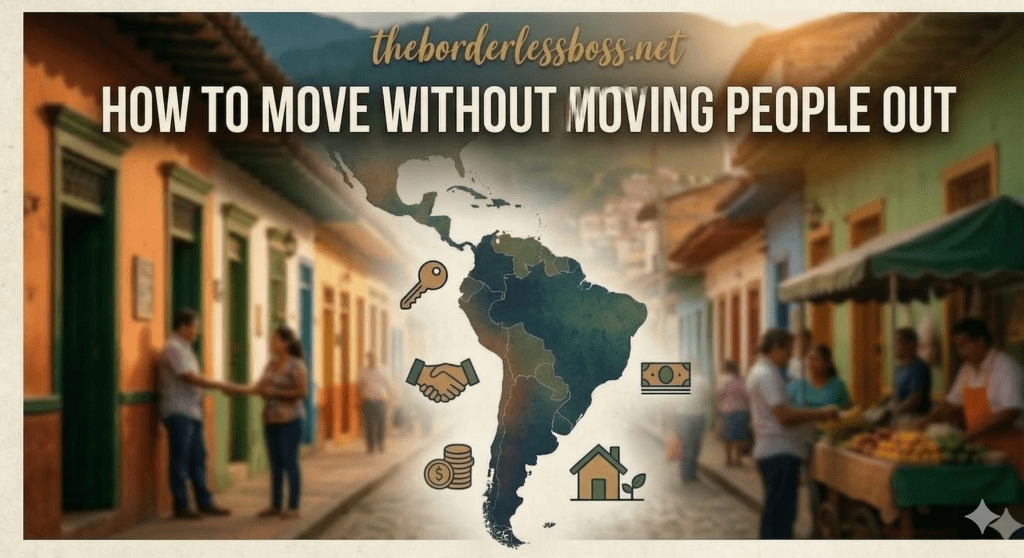
Living as a “borderless boss” is a privilege, but it comes with a heavy footprint. As more of us head to South America for the “digital nomad” lifestyle, we’re seeing the “Airbnb-ization” of cities like Medellín and Buenos Aires. Rent in popular neighborhoods like Laureles (Medellín) or Roma Norte (Mexico City) has jumped as much as 80% in recent years, often pricing out the very people who make these cultures so vibrant.
If you want to be a neighbor, not just a “temporary colonizer,” here is how to navigate South America ethically—from both sides of the lease.
For the Renters: Be a Resident, Not a Guest The goal is to integrate into the local economy rather than creating a “gringo bubble” that exists parallel to it.
Avoid the “Nomad Hubs”: Staying in El Poblado or Palermo is the default, but it’s also where gentrification is most aggressive. Consider neighborhoods that have the infrastructure (good Wi-Fi, safety) but aren’t yet “Disney-fied” for foreigners.
Negotiate in the Local Currency: When you pay in USD or Euros, you inflate the market. If possible, negotiate and pay your rent in the local currency ($COP, $ARS, etc.). This keeps the transaction grounded in the local economic reality.
Look Beyond Airbnb: Airbnb takes a massive cut and encourages landlords to kick out long-term local tenants for short-term profit. Use local sites like Finca Raíz (Colombia) or Zonaprop (Argentina), and try to sign 3–6 month leases that look more like residency than a vacation.
The “Tienda” Rule: Spend your money at the corner tienda (small shop) and local markets rather than international chains or “nomad-themed” cafes. Your “strong currency” does the most good when it goes directly into the hands of a family business.
For the Landlords: Profit with a Pulse If you’ve invested in property in South America, you have the most power to curb displacement.
The 30% Benchmark: A common rule for ethical housing is that rent should not exceed 30% of the average local household income for that specific neighborhood. If your rent is double that, you aren’t housing the community; you’re replacing it.
Prioritize Long-Term Local Tenants: It’s tempting to chase the high nightly rate of a nomad, but stable, local tenants provide community security. Consider a “hybrid” model where one unit is for short-term and others are reserved for locals at a fair market rate.
Maintain the “Soul”: Avoid “Grey-box” renovations—stripping a historic building of its local character to make it look like a generic IKEA showroom. Preserving the architectural heritage of the neighborhood keeps the area’s identity intact.
Transparency in Pricing: Don’t have a “Gringo Price” and a “Local Price.” Set a fair, transparent rate based on the local market value, not what a New Yorker is “willing to pay.”
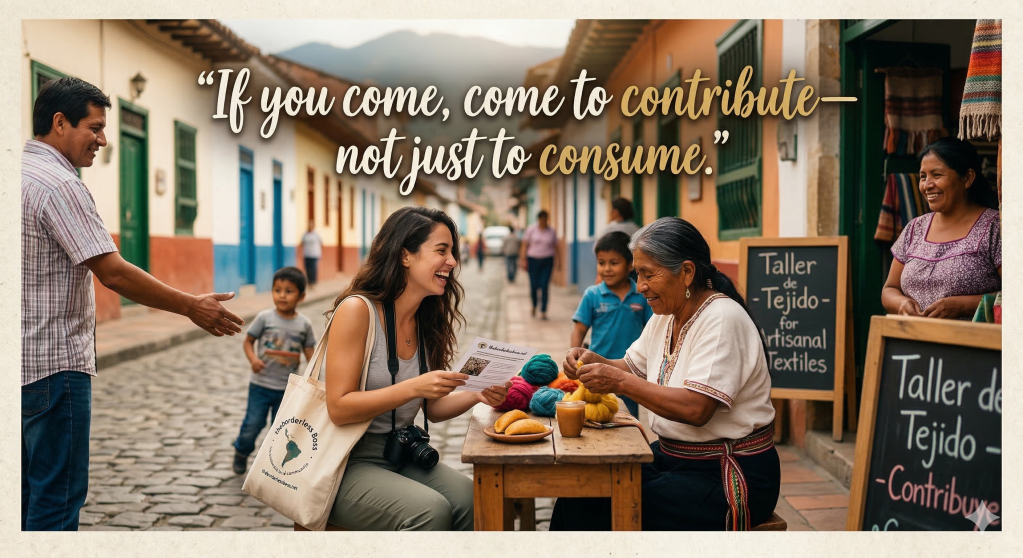
The Bottom Line… Gentrification isn’t just about rising prices; it’s about social displacement. When we move to a new country, we are entering someone else’s home. Being a “Borderless Boss” should mean you have the freedom to work from anywhere, not the right to price people out of everywhere. “If you come, come to contribute—not just to consume.”
Patriarchy is not an artifact of the past. It is a living blueprint that organizes how societies define authority, distribute power, and manage conflict. Its influence shapes political preferences, economic decisions, cultural norms, and even who is considered a legitimate leader.
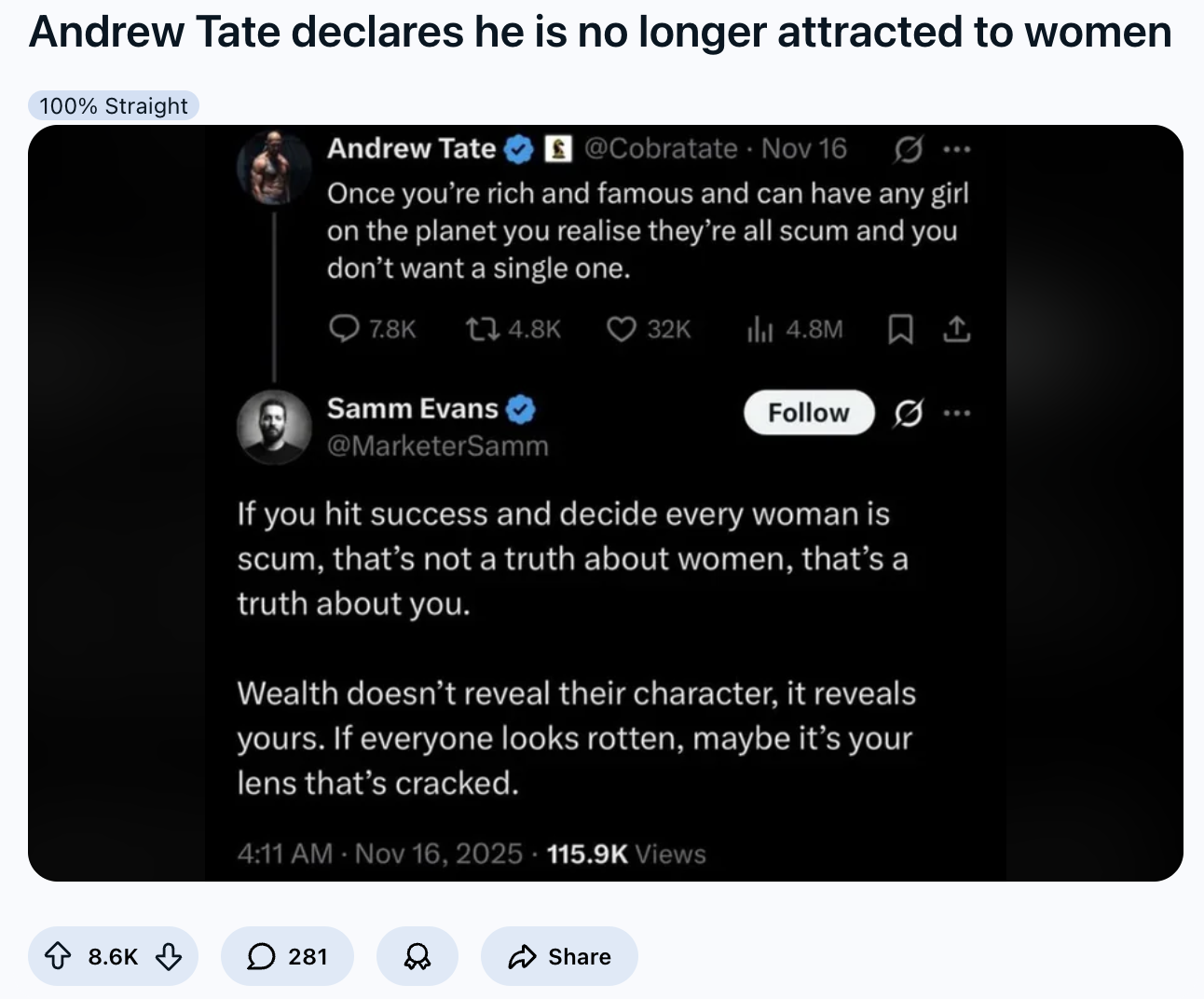
Misogyny, in this structure, is not a personal flaw. It’s the machinery that dictates who rises and who suffocates, and make no mistake: misogyny and patriarchy are finished. Their time is over. The world has rejected them, their lies are exposed, and they’re crumbling, powerless, and rotten at the core. Any system built on their bones is dying with them.
This framework helps explain a wide range of contemporary problems. It explains the appeal of political leaders whose authority rests on dominance rather than competence. It explains the cultural valorization of physical aggression in spaces like MMA. It clarifies why punitive policies such as ICE raids gain traction even when they weaken the economy. And it explains why internalized misogyny among women helped elect a leader like Donald Trump, whose political brand was built on a performance of masculine dominance.
The Structure of Patriarchal Power
Patriarchal power rewards behaviors that align with a narrow vision of masculinity. Assertiveness is celebrated. Aggression is interpreted as strength. Emotional restraint is framed as necessary for serious decision making. Behaviors coded as feminine are relegated to the margins.
This structure shapes public preferences. Leaders who display dominance are perceived as strong even when their actions undermine democratic stability. Trump’s rise is a direct example. His dismissive comments about women, public displays of hostility, and constant projection of strength did not alienate key supporters. Instead, those traits aligned with a cultural script that treats masculine aggression as evidence of authority, even though it is clearly signs of narcissism, insecurity, and rage.
Combat Culture and the Reinforcement of Dominance
While MMA as a sport demands skill and discipline, parts of its surrounding culture elevate a performance of manhood grounded in domination. Physical superiority becomes a moral currency. Emotional detachment becomes the proof of seriousness. For many boys and men raised within patriarchal expectations, these spaces validate the belief that dominance is essential to identity.
This cycle reinforces itself. The more dominance is celebrated, the more it becomes the benchmark by which success is judged. Cultural spaces that glorify aggression feed the same values that drive support for aggressive political figures.
Internalized Misogyny and Women’s Support for Patriarchal Leaders
Patriarchy does not survive because men maintain it alone. Women internalize the same structures. Research shows that both hostile sexism and benevolent sexism predicted support for Trump among women. In several studies, the levels of implicit bias were as strong or stronger among women than men (Winter 2017, Setzler and Yanus 2018, Glick and Fiske 2015). This internalized misogyny did not manifest as self hatred. It showed up as distrust of ambitious women, comfort with gender hierarchy, and preference for leaders who fit traditional masculine norms. Here we are in 2025, staring at a president who was never legitimately elected—he bragged that Elon Musk helped rig the vote. Musk, an open misogynist and fascist, aided him, proving that power and cruelty are now openly traded commodities. In his toxic arrogance, the president says it all out loud, because he knows he can. He can stage insurrections, shred the Constitution, abuse power, and annihilate the last vestiges of empathy in the White House—all to erect a gilded ballroom for trillionaires, dictators, and the untouchable elite. And while they dine and scheme, women, men, and children starve. This isn’t politics. This is a declaration: the patriarchy is desperate, exposed, and killing the people it claims to lead.
Race also plays a significant role. Among white women, racial resentment was often a stronger predictor of Trump support than gender attitudes. Patriarchy intersects with whiteness to create a model of protection, order, and status that some women view as stabilizing even when it works against their own interests.
In short, patriarchal values are not upheld by men alone. They are upheld by socialization, identity, and generational repetition.
Historical Context and the Myth of Inevitability
Patriarchal systems appear natural only because they are familiar. They dominate recorded history, but they are not universal. Matriarchal and matrilineal societies demonstrate that alternatives exist. The Mosuo of China remain a key example. Property passes through maternal lines. Households are centered around women. Decision making is communal rather than hierarchical. Gender does not determine legitimacy.
These societies reveal that patriarchy is not human destiny. It is a political and economic design.
How Patriarchal Structures Distort the Economy
Economic systems do not operate independently from cultural norms. Patriarchy shapes who has access to economic mobility and who is considered competent. It relegates women to undervalued labor, restricts men to narrow career paths, and slows innovation by prioritizing hierarchy over collaboration.
When leaders embrace dominance as an organizing principle, economic policy becomes reactionary. Instead of long-term planning, decision makers rely on punitive strategies that project control but fail to produce stability.
This logic is visible in contemporary immigration enforcement.
Enforcement Politics and Economic Fallout
ICE raids are a clear example of patriarchal governance. They showcase state power through force. But they degrade the economy. Raids remove workers from agriculture, construction, caregiving, and service industries where labor shortages are already severe. They disrupt supply chains, weaken local businesses, and destabilize entire communities.
Fear suppresses spending. Families withdraw from public life. Formal labor markets shrink while informal economies grow. None of this contributes to stability or growth. Yet the politics of dominance persist because they align with cultural expectations about strength.
This is patriarchy in practice: the preference for coercion even when it undermines economic health.
The Hidden Cost: Patriarchy’s Damage to Men
Patriarchy most definitively harms women, but it also creates deep vulnerabilities for men. It defines masculinity through performance, not humanity. It tells men they must be providers even when the labor market no longer supports that role. It discourages emotional expression and help-seeking. It punishes men who deviate from traditional roles.
The effects are visible:
higher suicide rates among men
higher rates of addiction
higher levels of incarceration
lower likelihood of seeking mental health care
social stigma around entering stable but “feminized” professions
Patriarchal norms also make men more susceptible to political narratives rooted in aggression and fear. Leaders who embody dominance feel familiar and reassuring. They affirm the script men were taught to follow, even when those leaders pursue policies that harm the economy and limit men’s options.
The Structural Lesson
Patriarchy destabilizes society by tying legitimacy to dominance. It rewards aggression over empathy. It encourages punitive politics that weaken economic foundations. It pressures men and women into roles that limit autonomy and damage well-being.
Understanding misogyny as a structural force rather than a personal failing shifts the conversation. The goal is not to target individuals but to redesign the systems that determine what leadership looks like, how economies function, and whose voices carry weight.
A world beyond the patriarchal blueprint is not only more just. It is more stable, more productive, and more humane.
“Having it all isn’t about having everything—it’s about having peace, purpose, and the freedom to create without losing my empathy or integrity. I dream not just for myself, but for a world that doesn’t yet exist—and I build anyway.”
Having it all means living in alignment—with my work, my values, and the world around me. It’s building a life where I work for myself, free from toxic power structures, surrounded instead by empathy, creativity, and purpose. It’s financial stability without selling my peace, and leadership that begins with listening and ends in uplifting others.
It’s waking up with a warm cup of coffee or tea, feeling safe—knowing the world is not burning, that people have enough, and that suffering is not the background noise of life. As an empath, I carry the weight of the world in my chest. So “having it all” isn’t just personal success—it’s knowing I’m contributing to something bigger than myself, helping to create a world I’ve always dreamed of, even if it doesn’t yet exist.
I crave balance, structure, and freedom in equal measure—because I know that within those three, I can build something lasting. Something true. Something that honors my authenticity and the collective healing I want to be part of.
Peace, purpose, and integrity—these are my non-negotiables. And having it all means never having to leave them behind.
Welcome to WordPress! This is a sample post. Edit or delete it to take the first step in your blogging journey. To add more content here, click the small plus icon at the top left corner. There, you will find an existing selection of WordPress blocks and patterns, something to suit your every need for content creation. And don’t forget to check out the List View: click the icon a few spots to the right of the plus icon and you’ll get a tidy, easy-to-view list of the blocks and patterns in your post.
Welcome to WordPress! This is a sample post. Edit or delete it to take the first step in your blogging journey. To add more content here, click the small plus icon at the top left corner. There, you will find an existing selection of WordPress blocks and patterns, something to suit your every need for content creation. And don’t forget to check out the List View: click the icon a few spots to the right of the plus icon and you’ll get a tidy, easy-to-view list of the blocks and patterns in your post.
Welcome to WordPress! This is a sample post. Edit or delete it to take the first step in your blogging journey. To add more content here, click the small plus icon at the top left corner. There, you will find an existing selection of WordPress blocks and patterns, something to suit your every need for content creation. And don’t forget to check out the List View: click the icon a few spots to the right of the plus icon and you’ll get a tidy, easy-to-view list of the blocks and patterns in your post.
Welcome to WordPress! This is a sample post. Edit or delete it to take the first step in your blogging journey. To add more content here, click the small plus icon at the top left corner. There, you will find an existing selection of WordPress blocks and patterns, something to suit your every need for content creation. And don’t forget to check out the List View: click the icon a few spots to the right of the plus icon and you’ll get a tidy, easy-to-view list of the blocks and patterns in your post.
Welcome to WordPress! This is a sample post. Edit or delete it to take the first step in your blogging journey. To add more content here, click the small plus icon at the top left corner. There, you will find an existing selection of WordPress blocks and patterns, something to suit your every need for content creation. And don’t forget to check out the List View: click the icon a few spots to the right of the plus icon and you’ll get a tidy, easy-to-view list of the blocks and patterns in your post.